
Podcast Media and Brand Kit Checklist
A podcast is a great way for a brand to expand their presence. It is an additional medium of creativity that has been gaining popularity due to its accessibility and content value. From a branding perspective, what should be on your checklist once you are ready to launch your podcast?
Establishing the Media for the Brand
Your podcast should have it’s own unique brand identity. This may tie into an existing brand you already have, or seek to establish a completely new one. Check out our checklist on everything to include in a final brand identity. To make it more podcast specific, we would also add cover art as a priority asset. Other assets may include streaming banners (like for YouTube), an animated logo to be used for intro’s/outro’s, or a branded digital background for podcasts that are recorded remotely. Below are the dimensions you need for each item:
Cover Art
Size: Square or 1:1 ratio
File Type: JPG
YouTube
Profile picture: Round/Square in 1:1 ratio
Banner: This is tricky because YouTube recommends 2560x1440px, but different devices have different views, resulting in almost 3 different views. We recommend focusing the important parts of your banner as in the center as you can. And don’t forget, a profile picture will cover the right part of your banner.
File Type: JPG or SVG
Animated Logo
This will be however big your logo is. Keep things scalable and in an easy to work with ratio, like 16:9 or 2:3.
File Type: MP4, AEP, etc.
Other video assets
If your podcast includes video, consider creating branded video assets like lower-thirds. Curate a library of music, or even a unique jingle.
Branded Digital Background
Size: 16:9 ratio
File Type: JPG or PNG

Bulletproofing the Brand for your Guests
Now that your internal brand is set, don’t forget to set up a brand kit for external partners, like the guests on your show. This kit could live on your website or be a folder sent to all guests. Some recommendations on what to include:
Brand guidelines for the podcast and/or your existing brand
Consider updating your brand guidelines to include podcast parameters, such as clothing restrictions, language to use, etc.
Boiler Plate
Consider a summary about your podcast’s goals and intent, and what listeners can look forward to. Also consider adding some information about the host. For ultimate flexibility, include a boiler plate over and under 150 words.
For example (under 150): Digital Heartbeats investigates the people and love put into creating our favorite websites. We dive into the intention, the hurdles, and the success stories from developers of popular and niche websites. Hosts, Tanaka Parker and Yulissa Gamez met at a DesignforLUV conference and have been fangirling over HTML ever since.
For example (over 150): Digital Heartbeats investigates the people, love, and passion put into creating and maintaining our favorite websites. At what point do passion projects turn commercial? What was the inspiration behind this website that supports the only community of a certain kind? We dive into the intention, the hurdles, the success stories, and the joyous community created by the developers of popular and niche websites. Every week, Digital Heartbeat finds a website you maybe have heard of, or maybe one you haven’t, and narrates the history, updates, and usage of the website in a storytelling fashion. Hosts, Tanaka Parker and Yulissa Gamez are both former front end developers and met at a DesignforLUV conference. They have decades of experience fangirling over HTML, both in a personal and professional sense, and deliver well researched and heartwarming tales that will tell an untold story of something happening behind the screen and behind the scenes. Digital Heartbeats, formerly We Love Website, has been publishing weekly episodes since 2018 and was honored with the Choice Podcast - Media Award in 2022.
Sponsorship Information
If you are looking for sponsors, it would be handy to have a flyer or document ready that includes pricing options and benefits for sponsoring.
Logos and Cover Art
For both, the podcast and your existing brand (if applicable).
Social Media Templates
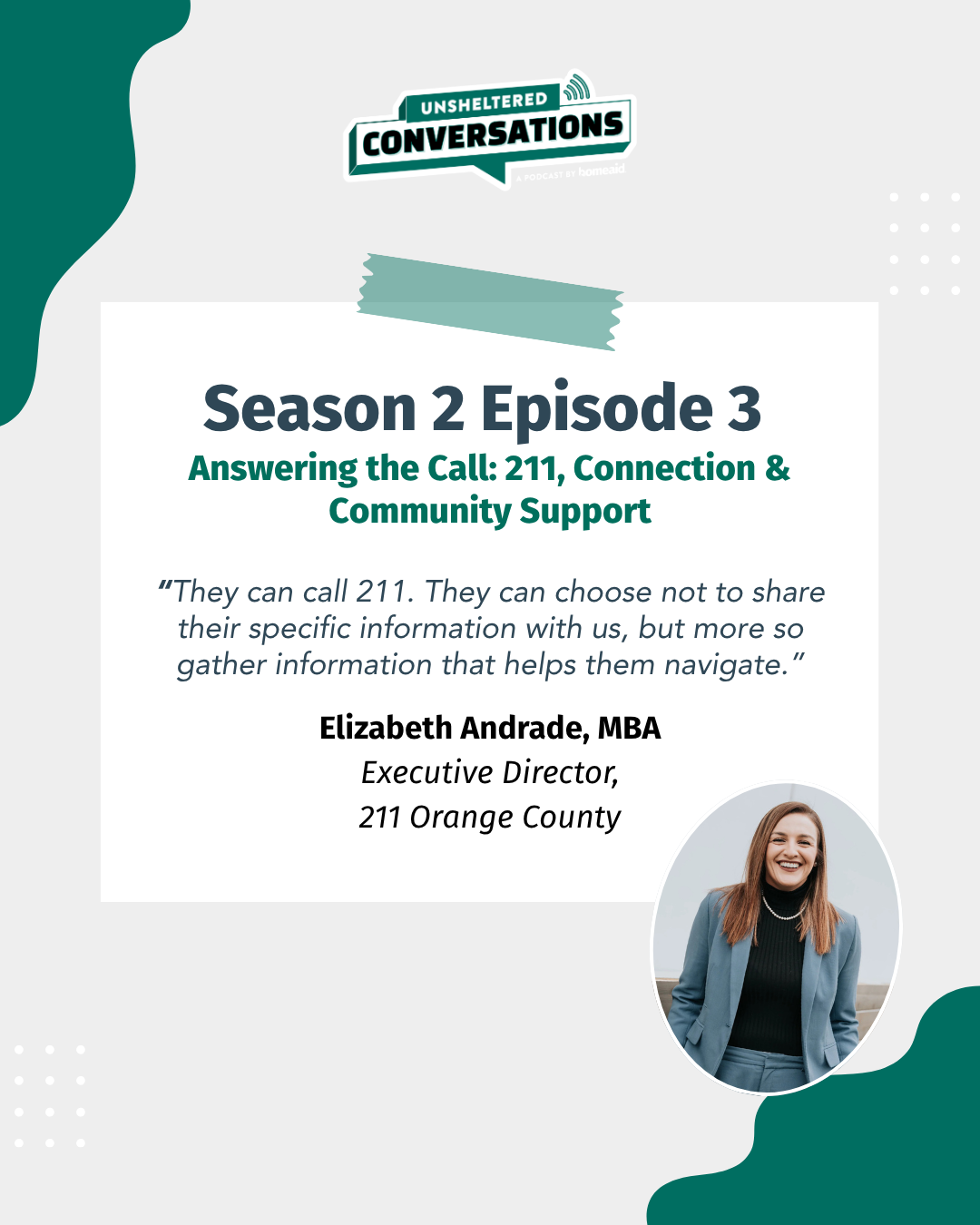
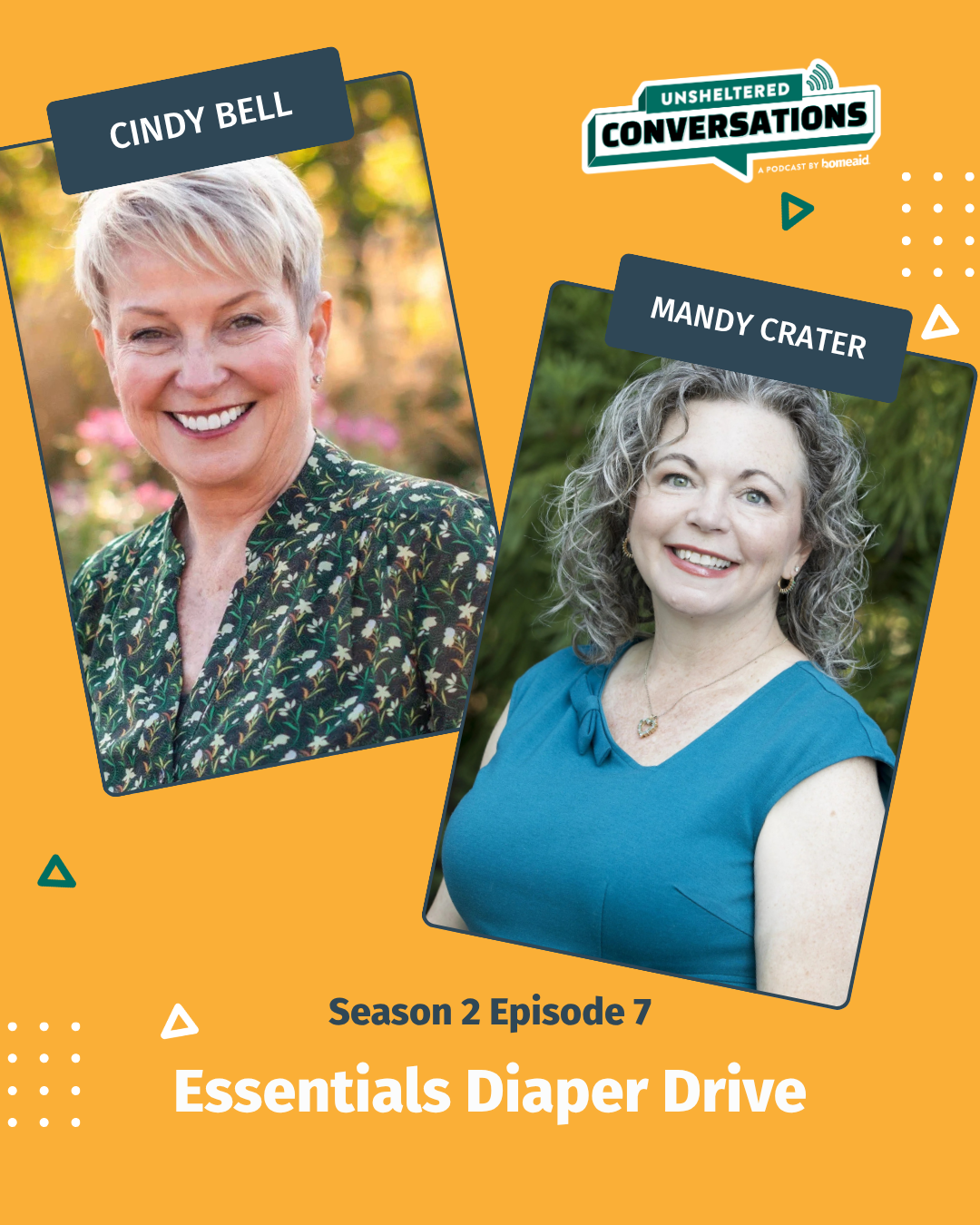
Consider sharing any branded social media templates you would want a partner to use. Have some options with space to include their logo or photo.
Creating a Web Space for your Podcast
Now that you have all of the visual and operational assets you need, you can seamlessly create a web space for your podcast. Whether that is a landing page on your existing website, or a microsite for the podcast itself, here are some recommendations on how to apply the brand and operations to the internet:
Start with the logo or cover art. Utilize some of those patterned backgrounds and boiler plate assets to create a nice hero space!
Add listening links. Where can listeners listen to your podcast?
Depending on what platform you want to funnel your users to (or more importantly, how that platform’s embed looks), consider embedding an RSS stream to your page.
We have found that Spotify embeds best when it is just a singular episode embed, while Apple Podcast embeds are great for viewing multiple episodes.
Consult what else is in your brand kit to see what is appropriate to display on the web page.
Are there host bios to share, merchandise to link, resources to reference, sponsorship information to display, etc. Once the main CTA of introducing the podcast and letting visitors know where to listen is accomplished, you can use the rest of the real estate to get into the technical details a secondary or tertiary audience member may be interested in.
Add a form block. Whether you want to collect feedback from the community or solicit potential guests, adding a form block is a great way to increase engagement specifically for your podcast.
Download our high-level checklist to keep handy while you prepare to launch your podcast here!